Instead of a China pivot, how about we start building at home?
By Arthur Lam, as appeared in The Globe & Mail on January 15th, 2026
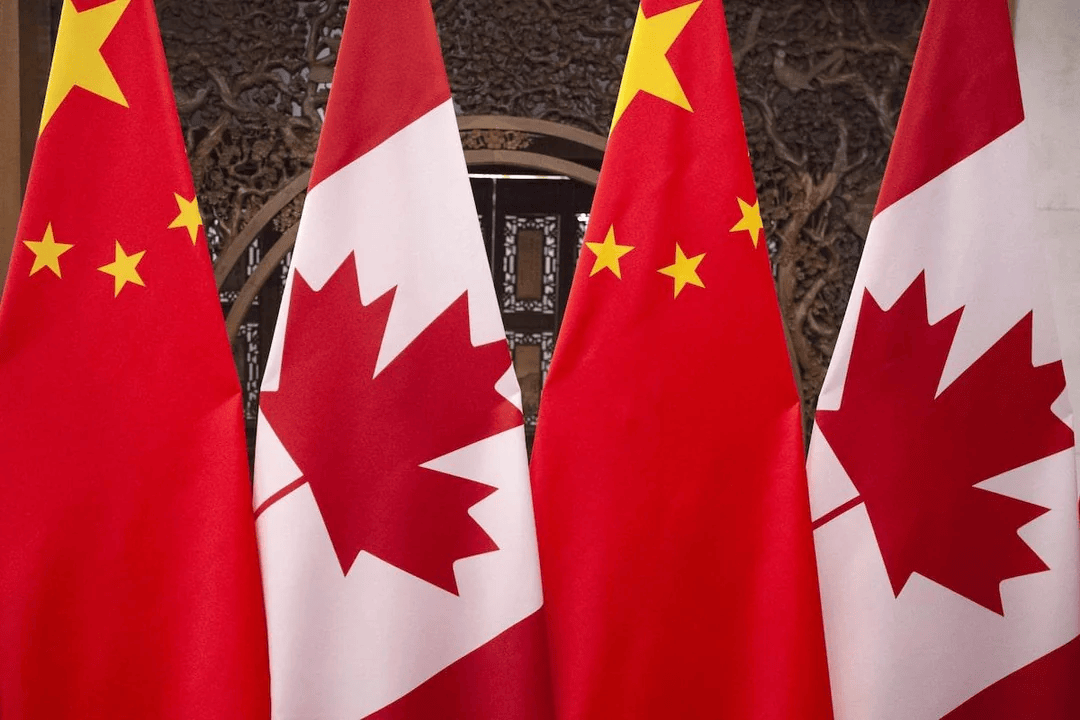
Prime Minister Mark Carney is travelling to China this week with a delegation of business leaders and government officials. This Asia pivot will only mask, not resolve, our economy’s fundamental weaknesses.
Prime Minister Mark Carney is travelling to China this week with a delegation of business leaders and government officials. This Asia pivot will only mask, not resolve, our economy’s fundamental weaknesses.
We have been here before. In 2017, I was in Beijing as part of the Canadian delegation, trying to launch trade negotiations when the North American Free Trade Agreement was at risk. Whether by luck or what I suspect to be the shrewdness of the Chinese government, we were left at the altar.
Since then, the world has changed.
In the America-first era, everything, for U.S. President Donald Trump, is about China. Competing with it. Containing it. Removing its influence from the Western Hemisphere. Washington will be watching how Ottawa conducts its business with Beijing closely. The space between what America wants us not to do with China and what China wants from Canada is razor-thin. Any step over the line will prompt an outsized reaction, as we have recently seen with Venezuela and Greenland.
And here’s the deeper, uncomfortable truth: Canada doesn’t make enough of what China – or the rest of Asia – wants.
The numbers tell the story. Canada runs large, persistent trade deficits with almost every major Asian economy. For every dollar we export to China, we import two. The ratio is almost 1:15 for Vietnam, and the pattern repeats for South Korea (1:2), Malaysia (1:3), Taiwan (1:2) and Thailand (1:5).
We are not developing critical products that Asian countries need, such as software, machinery or other advanced products. Beyond resources, agri-foods and energy, we do not produce or sell complete offerings that the rest of the world seeks. This is a multi-dimensional issue involving industrial policy and economic strategy, not a strictly trade promotion issue. Mr. Carney’s charm offensive in China won’t change that fact.
In business terms, we don’t make enough value-added products with compelling value propositions that the rest of the world will pay for. That reduces our trade leverage (have you played The Settlers of Catan?) and prevents us from increasing our productivity.
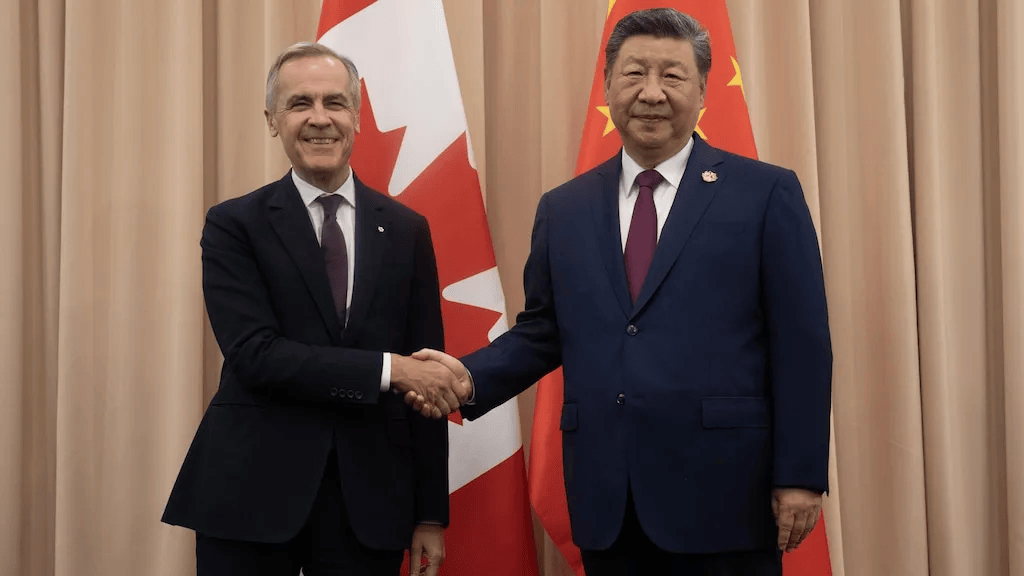
As the Prime Minister and his ministers travel the world to jump-start exports, the important work remains at home. What unique products and industries are we bringing to trading partners that make us indispensable?
Yes, Canada has emerging sectors, such as nuclear, quantum and AI. They are promising. They are also nascent, geopolitically sensitive, underfunded and far from providing the full set of products that will meaningfully grow our exports and our economy.
Policy-makers must rethink our economic approach and industrial strategy. Canadian businesses, especially emerging innovators and medium-sized hyperscalers with $50- to $500-million in revenue, must consider areas where they have a globally competitive industrial edge that could attract political support. Having advised federal ministers on these very issues, I have seen such shrewd industrial strategies work in countries such as Sweden and Singapore.
Until we build Canadian companies that the world needs to buy from, we’ll remain what we’ve always been: hewers of wood, drawers of water and targets for foreign acquisition.
This rethink will be challenging, especially for public servants accustomed to funding projects for foreign multinationals and large corporations to secure supply-chain benefits, and for bankers and financiers accustomed to predictable cash-flow returns.
We must look beyond the usual voices – entrenched interests with outsized policy influence that have delivered underwhelming results for Canadians. Our focus must shift to building globally competitive industries at home – led by our entrepreneurs, researchers and workers – that increase our standard of living.
Or we could join the Americans as the 51st state.
Meeting this challenge is what makes this an exciting time for Canadians with imagination and ambition.